Choose golf hats for sun protection by checking both coverage and fabric evidence. A surrounding brim can shade areas that a front-bill cap leaves exposed, while a fabric’s UPF rating describes transmission through that material. Neither a high rating nor a wide brim alone answers every protection question.
For professional buyers, this means evaluating the hat’s shape and the scope of its supporting report together. Specify what you need protected, then check whether the proposed design and materials support that use.
Start with the Areas the Hat Covers
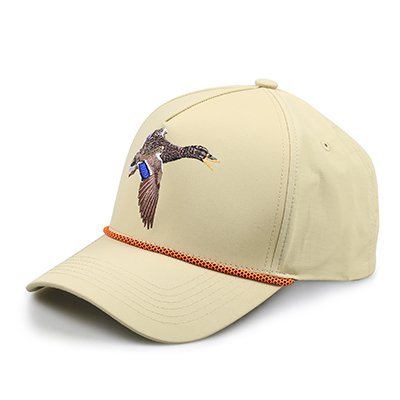
Compare coverage at the front, sides, top and back. A baseball-style cap covers the crown and projects shade forward, but its open sides leave the ears and neck exposed. A visor leaves the crown open as well. A surrounding brim provides a different coverage pattern, depending on its actual size and angle.
The CDC recommends a brim all the way around to shade the face, ears and back of the neck. Check the worn sample rather than relying on a style name such as “bucket” or “sun hat.”
| Style | Coverage feature | What to inspect |
|---|---|---|
| Front-bill cap | Covered crown with forward shade | Exposed ears, neck and side areas |
| Visor | Forward shade without a crown | Uncovered scalp and side/back exposure |
| Bucket hat | Brim around the crown | Actual brim width and angle |
| Wide-brim hat | Broader surrounding shade | Fit, brim stability and unobstructed view |
Understand What a UPF Rating Means
Ultraviolet Protection Factor, or UPF, describes how much UV radiation passes through a textile. The Skin Cancer Foundation explains that a UPF 50 fabric allows about one-fiftieth of the radiation through under the relevant test conditions. This is not a guarantee for skin left outside the fabric.
Do not translate a fabric rating into a promise of safe hours outdoors. SPF and UPF are also not interchangeable product specifications: a request for an “SPF 50 hat” needs clarification into an appropriate textile rating and coverage requirement.
A hat’s “UPF 50+” description should therefore prompt a specific question: which material or product was tested, and how does it correspond to the item being ordered?
Read the Report Beyond the Headline Rating
Ask the supplier or testing provider to identify the report’s sample reference, material, color and test method. Confirm whether it concerns a fabric swatch, a particular panel or another defined specimen. Check whether lining, mesh or perforated areas fall outside that evidence.
AATCC TM183 addresses UV radiation transmitted or blocked by textile fabrics. ASTM D6603 concerns labeling of UV-protective textiles. A test-method reference is not, by itself, a certification of the finished hat or of every product sold by a supplier.
For a multi-color order, ask how the report supports each ordered color and construction. Also ask which preparation or care conditions were used. Do not assume evidence for one material code automatically covers a substituted fabric.
Choose a Brim That Works During Play
The CDC Yellow Book recommends a circumferential brim of at least three inches, approximately 75 mm, for shading the face, neck and ears. Use that guidance alongside fit and practical requirements; the dimension does not establish a textile’s UPF rating.
Measure the sample in the relevant directions and inspect it while worn. Have users check their normal stance, swing and line of sight. Review whether the brim keeps its intended position and whether adjustment produces a comfortable, stable fit.
Ventilation openings deserve the same attention. Identify their position and the areas they expose rather than describing the whole hat as equally protective.
Questions to Ask Before a Bulk Order
- What exact fabric and color references will production use?
- Which sample does the UV report identify?
- What method and preparation conditions were used?
- Which parts of the hat are covered by that evidence?
- Will the final design include mesh, openings or material changes?
- What care instructions apply, and what information can appear on the product label?
Retain the approved hat, fabric references and relevant documentation together. If a production change is proposed, review whether the original evidence still applies before accepting the change.
A Hat Is One Part of Sun Protection
Use shade, protective clothing, appropriate sunscreen and sunglasses alongside a hat. A product that feels comfortable may be easier to keep wearing, but comfort does not replace coverage or supporting evidence.
Share the intended use, preferred hat shape, color range and UV-labeling requirements with your supplier. Request a finished sample and documentation tied to the exact proposed materials before approving the order. Send your headwear requirements to Shenxiu Outdoors.